The smell of gasoline in your car when the air conditioning (AC) is running can be alarming. It’s not just unpleasant but could also signal underlying issues that might compromise your vehicle’s safety.
Understanding the potential causes can help you act quickly to prevent further problems or risks.
In this article, we’ll explore some of the most common reasons why you might smell gas when the AC is on, and provide tips on how to address them.
1. Fuel Leak in the System
One of the most common reasons for a gasoline smell is a fuel leak. This could happen anywhere in the fuel system, such as the fuel tank, fuel lines, or injectors. Even a small leak can release gas fumes that get drawn into the car’s cabin through the AC system.
Signs of a Fuel Leak:
- A visible puddle of gasoline under your car.
- A persistent smell of fuel around the vehicle, even when the AC is off.
- Reduced fuel efficiency.
What to Do:
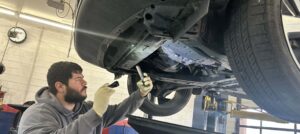
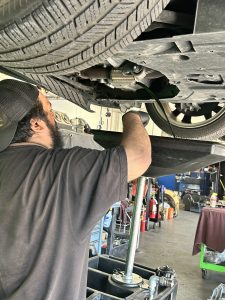
If you suspect a fuel leak, stop driving the car immediately and have it inspected by a mechanic. Fuel leaks are a fire hazard and need urgent attention.
2. Evaporative Emission System (EVAP) Issues
The EVAP system is designed to prevent gasoline fumes from escaping into the atmosphere. It captures and recirculates vapors from the fuel tank. A malfunction in this system, such as a cracked hose or a faulty purge valve, can cause gas fumes to seep into the cabin.
Symptoms of EVAP Problems:
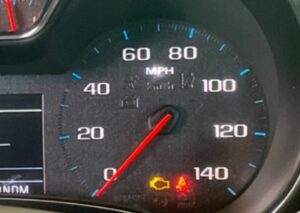
- Check engine light may come on.
- A strong smell of gas near the rear of the car or inside the cabin.
- Difficulty starting the car in extreme weather conditions.
What to Do:
Have your EVAP system inspected. Mechanics can use diagnostic tools to pinpoint the problem and replace faulty components.
3. Clogged or Dirty Cabin Air Filter
The cabin air filter prevents dirt, debris, and fumes from entering your car’s ventilation system. Over time, it can become clogged or saturated with contaminants, including gasoline vapors, which could lead to an unpleasant smell when the AC is on.
Signs of a Clogged Cabin Air Filter:
- Reduced airflow from the AC vents.
- Musty or unpleasant smells in the car, including gasoline odors.
- Allergies or irritation due to unclean air.
What to Do:
Replace your cabin air filter according to your car manufacturer’s recommendations. Regular maintenance can help keep unwanted odors out of your car’s cabin.
4. Exhaust System Leak
An exhaust system leak can also cause gasoline fumes to enter your car. While the exhaust system primarily deals with fumes produced by the engine, a leak can allow unburnt fuel fumes to escape and get drawn into the car’s cabin through the AC system.
Signs of an Exhaust Leak:
- A loud or unusual noise coming from the exhaust system.
- A drop in engine performance.
- A noticeable smell of gas or exhaust fumes, especially when the AC is running.
What to Do:
Take your car to a mechanic to check for and repair any leaks in the exhaust system. An exhaust leak can be dangerous because it may allow harmful gases like carbon monoxide into the cabin.
5. Overfilled Gas Tank
If you recently refueled your car and smell gas while running the AC, you might have overfilled the gas tank. When the tank is overfilled, gasoline can spill into the EVAP system or other components, leading to the smell of gas inside your car.
Signs of Overfilling:
- The gasoline smell is stronger immediately after refueling.
- No other obvious signs of mechanical issues.
What to Do:
Avoid overfilling the gas tank in the future. Most modern cars have an automatic shutoff feature at gas stations. Once it clicks, don’t try to add more fuel. The smell should dissipate after some driving if this was the cause.
6. Faulty Fuel Pressure Regulator
The fuel pressure regulator ensures the engine gets the correct amount of fuel. If this component malfunctions, it can cause the engine to run rich, which means more fuel is sent than needed. The excess fuel might not burn completely, leading to fumes that can enter the cabin.
Symptoms of a Faulty Fuel Pressure Regulator:
- Decreased fuel efficiency.
- Black smoke from the exhaust.
- A strong smell of gas inside or outside the vehicle.
What to Do:
Consult a professional mechanic to test the fuel pressure regulator. It may need to be repaired or replaced to restore proper functionality.
7. Aging or Damaged Gas Cap
The gas cap creates a seal to prevent fuel vapors from escaping. A loose, damaged, or missing gas cap can cause gasoline fumes to escape and enter the vehicle’s ventilation system, especially when the AC is on.
Signs of a Gas Cap Problem:
- A gas smell near the rear of the vehicle.
- Check engine light might illuminate.
- A visibly damaged or cracked gas cap.
What to Do:
Ensure the gas cap is tightly secured after every refueling. If it’s damaged, replace it with a new one that matches your vehicle’s specifications.
Safety Tips
Dealing with gasoline fumes inside your car is not just about comfort; it’s also a safety issue.
Here are some quick tips to stay safe:
- Never ignore the smell of gas in your car. It can indicate a serious problem.
- Avoid smoking or using open flames near your vehicle if you detect a gas smell.
- Drive with the windows down to ventilate the cabin until the issue is fixed.
Conclusion
Smelling gas in your car when the AC is on can be caused by a range of issues, from a simple loose gas cap to more serious problems like a fuel system leak or EVAP malfunction. Understanding these potential causes can help you act quickly and responsibly.
Always prioritize safety and seek professional help when needed to ensure your car remains in good condition and free of dangerous fumes.