Your car’s air filter plays a critical role in maintaining engine performance and fuel efficiency.
It might seem like a small, insignificant component, but this part ensures that clean air flows into the engine, keeping dirt, debris, and other particles out. Over time, the air filter gets clogged, which can negatively impact your car’s health.
So, how often should you replace it? Let’s dive in and explore everything you need to know about your car’s air filter.
Why Is the Air Filter Important?
The air filter’s primary job is to trap dirt, dust, and debris before they enter your car’s engine. A clean air filter allows the engine to “breathe” properly, ensuring optimal performance.
When the air filter is clogged, it restricts airflow, which can lead to a series of problems, such as:
- Reduced fuel efficiency
- Poor engine performance
- Increased emissions
- Potential damage to engine components
Replacing the air filter at the right time is essential for keeping your car running smoothly and efficiently.
General Guidelines for Replacing the Air Filter
The recommended interval for replacing your car’s air filter depends on several factors, including your vehicle’s make and model, driving conditions, and the type of air filter you use.
Manufacturer Recommendations
Typically, manufacturers suggest replacing the air filter every 12,000 to 15,000 miles, or about once a year. However, this can vary based on your specific car. It’s always a good idea to check your owner’s manual for exact guidelines tailored to your vehicle.
Driving Conditions Matter
Your environment and driving habits play a significant role in determining how often the air filter needs replacing.
For example:
- City Driving: If you mostly drive in urban areas with stop-and-go traffic, you may need to replace the filter more frequently due to pollution.
- Dusty or Rural Roads: Driving on dirt roads or in areas with high dust levels can clog the filter faster, requiring more frequent changes.
- Highway Driving: If you mostly drive on highways, the air filter may last longer since there’s generally less airborne debris.
Visual Inspections
Even if you’re following a mileage-based schedule, it’s smart to visually inspect the air filter regularly. Most air filters are located in the engine bay, inside a rectangular or round housing. If the filter looks dark, dirty, or clogged with debris, it’s time for a replacement, even if you haven’t hit the mileage milestone.
Signs That Your Air Filter Needs Replacing
If you’re not sure when the last replacement was, your car might give you some clues.
Here are a few signs that indicate it’s time for a new air filter:
- Decreased Fuel Efficiency
A clogged air filter reduces airflow to the engine, making it work harder and burn more fuel. - Reduced Engine Power
If your car feels sluggish or unresponsive when you press the accelerator, it could be due to restricted airflow. - Unusual Engine Noises
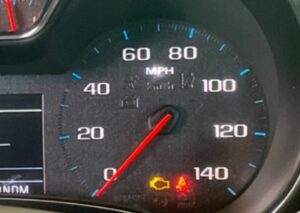
When the engine struggles to get enough air, it may produce a coughing or sputtering sound. - Check Engine Light
In some cases, a dirty air filter can trigger the check engine light. While this light could signal other issues, don’t overlook the air filter as a potential cause. - Black Smoke from the Exhaust
A severely clogged filter can cause an imbalance in the air-fuel mixture, leading to unburned fuel that produces black smoke.
How to Replace the Air Filter
Replacing the air filter is one of the simplest maintenance tasks you can do yourself.
Here’s a step-by-step guide:
- Locate the Air Filter Housing
Open your car’s hood and find the air filter box, usually near the engine. It’s often secured with clips, screws, or clamps. - Remove the Old Filter
Carefully open the housing and take out the old filter. Be mindful not to let any dirt or debris fall into the box. - Inspect the Filter and Housing
Check the old filter for excessive dirt and the housing for debris. Clean out any dust inside the housing with a damp cloth. - Insert the New Filter
Place the new air filter into the housing, ensuring it fits snugly. Check for proper alignment before closing the box. - Secure the Housing
Reattach the clips, screws, or clamps to seal the housing. Close the hood, and you’re done!
Choosing the Right Air Filter
When replacing the air filter, it’s important to choose the right one for your car. You’ll typically have two main options:
- OEM (Original Equipment Manufacturer) Filters
These are made by the car’s manufacturer and are guaranteed to fit and perform as expected. - Aftermarket Filters
These can offer a variety of performance benefits, such as increased airflow or extended durability. Just make sure they’re compatible with your vehicle.
The Bottom Line
Replacing your car’s air filter is a small but crucial part of vehicle maintenance. In general, aim to replace it every 12,000 to 15,000 miles, or more frequently if you drive in dusty or polluted conditions.
Pay attention to signs like reduced fuel efficiency or unusual engine performance, and don’t hesitate to check the filter during routine inspections.
By keeping your air filter clean and replacing it as needed, you’ll not only improve your car’s performance but also extend the life of its engine.
Regular maintenance saves you money in the long run and ensures a smoother, more enjoyable driving experience.
So, the next time you wonder, “How frequently should I replace the air filter in my car?”; remember, a little care goes a long way!