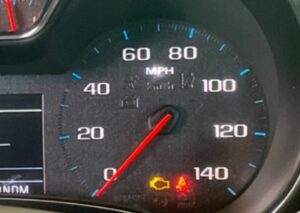
You’re driving along, and suddenly, it seems like your dashboard is throwing a mini fireworks show, with the brake light blazing in red. This light isn’t just a gentle reminder; it’s a critical alert that something’s amiss in your braking system.
Whether it’s as simple as your parking brake being slightly engaged, or as serious as a leak in the brake fluid, you shouldn’t ignore this warning.
But what if the issue isn’t obvious and the usual quick fixes don’t work? Understanding the less common triggers that might not immediately come to mind could save you from future headaches; or worse, brake failure.
What could these be? Let’s find out.
Common Reasons for Brake Light
When your brake light on dash illuminates, it typically signals issues such as low brake fluid levels, an engaged parking brake, or a malfunction in the ABS system. You’re not alone in this; many drivers face similar warning signs.
The first step is to check if your parking brake is fully disengaged. If it’s not the culprit, low brake fluid could be the issue, which is vital for your vehicle’s braking performance and safety. Don’t ignore this light; it’s a friendly nudge to take action.
Diagnosing and repairing brake problems early can save you from more serious issues down the road, ensuring you remain safe and secure on your journeys.
Decoding the ABS Indicator
If your ABS indicator lights up, it’s signaling a potential electrical issue within the system that needs immediate attention. This warning isn’t just about your car; it’s about keeping you integrated and safe within the community of responsible drivers.
Ignoring it could lead to compromised braking performance, increasing your risk of skidding and accidents. You’re not alone in this; everyone values safety.
To maintain your vehicle’s braking efficiency and protect against safety risks, visit your dealer or a certified brake repair specialist promptly. They’re equipped to diagnose and fix these electrical issues, ensuring you and your loved ones remain safe on the road.
Handling a Persistent Brake Light
Seeing a brake light that won’t turn off on your dashboard is a significant sign you need to check your vehicle’s brake system immediately. It’s like your car is part of your family, warning you about a potential danger.
Ignoring this Brake System Warning Light can lead to devastating brake failure, compromising not only your safety but that of everyone on the road.
When the brake warning light comes on and stays, it’s essential to give it immediate attention. Diagnose and repair should be your top priorities. The issue could be with the hydraulic brake or other brake issues, but without a professional inspection, you’re risking too much.
Safety Tips and Precautions
Always pull over safely and consider having your vehicle towed if the brake light activates while you’re driving. Ignoring a dashboard brake warning light isn’t just about brake problems; it’s a direct risk to your safety and others on the road.
Regular checks on your brake fluid level and making sure proper parking brake adjustment can prevent many brake system issues. Remember, dashboard lights are your first line of defense against potential safety hazards. If your brake light comes on, don’t hesitate to consult a brake specialist.
They’re part of your community, ready to guarantee your car is safe and sound. You’re not alone in this; staying proactive about your car’s brakes keeps everyone safer.
Immediate Actions and Solutions
When the brake light on your dashboard lights up, you should take immediate action to address potential issues with your vehicle’s braking system.
Here’s what you can do to make sure you’re not left stranded and keep your journey safe:
- Check the emergency brake: Confirm it’s fully released, as it can trigger the brake light.
- Inspect the brake fluid level: Low brake fluid could activate the pressure warning light.
- Look for signs of pad wear: The pad wear indicator might signal it’s time for a replacement.
- Evaluate the Brake Lines and Calipers: Any leakage or damage here can compromise your braking system.
- Consider the ABS system and hydraulic brake master cylinder: Issues with these can also cause the brake light to come on.
Conclusion
When your brake light glows, heed its warning like a lighthouse guiding ships away from rocky shores. Don’t ignore this harbinger of potential danger. Check your brake system and fluid levels immediately or consult a professional.
Remember, addressing this alert promptly isn’t just about maintaining your car’s health; it’s about ensuring your safety, and that of others, on the road. Take action swiftly; your vehicle’s cry for attention could save lives.
Safety first, always. Call us today at 713-840-8781 to schedule any other automotive services needs.