Have you ever noticed your car shaking while driving or applying the brakes? This could be a sign that your vehicle needs a thorough inspection. Often, issues like engine misfires, unbalanced tires, or worn brake pads are the culprits behind such disturbances.
A thorough inspection not only addresses these specific components but also checks your car’s overall health. However, the real question remains: will a standard inspection be enough to fix your car’s shaking issues, or is something more serious at play? Let’s explore the potential of an inspection to restore smoothness to your ride.
Signs Your Car Needs a Tune-Up
If your car starts shaking, it’s likely time for a tune-up to replace worn spark plugs and address any engine misfires. This isn’t just about fixing a problem—it’s about taking essential steps towards maintaining your vehicle’s health.
Recognizing the potential warning signs early can save you from more severe issues down the road.
During routine maintenance or potential service, a professional will replace the spark plugs, which are essential for your engine’s efficiency and smooth operation. Worn or dirty spark plugs can cause your engine to misfire, leading to the shaking you’re experiencing.
They’ll also check and replace any dirty filters, ensuring that your engine breathes better and runs smoother.
Common Causes of Car Shaking
If you’re noticing your car shaking, it’s important to evaluate engine misfire problems, which can stem from faulty spark plugs or ignition coils.
Engine Misfire Problems
Engine misfires, often caused by faulty spark plugs or ignition coils, can greatly contribute to your car shaking. When these components don’t function properly, they disrupt the engine’s ability to burn fuel efficiently, leading to erratic performance and noticeable vibrations.
A car tune-up is an essential solution for resolving these engine misfire issues. During a tune-up, a mechanic will replace worn out spark plugs and ignition coils, restoring the balance and harmony within your engine. This smooths out the shakes and enhances your car’s overall efficiency.
Ignoring such symptoms can decrease fuel efficiency and cause further damage to your engine, which is why it’s vital to address these problems early.
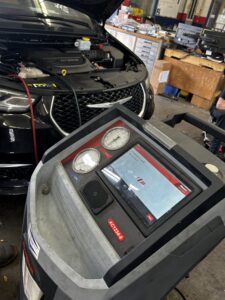
Moreover, a professional diagnosis during a tune-up can pinpoint the exact cause of the shaking issues. Specialists use advanced diagnostic tools to thoroughly assess your vehicle, ensuring that no underlying issues are overlooked.
Wheel Alignment Issues
Misaligned wheels are a common catalyst for car shaking. When your wheels aren’t aligned, your car has to work harder, leading to noticeable shaking. This misalignment doesn’t just reduce your comfort it can also hasten tire wear and tear, compromising your vehicle’s safety and efficiency.
Addressing misaligned wheels during a tune-up is crucial. A professional technician will check the angles of your wheels ensuring they’re perpendicular to the ground and parallel to each other. Adjustments are made to the camber, toe, and caster, which are the metrics used to measure wheel orientation.
Brake System Faults
Worn brake pads and rotors are often culprits behind this unsettling experience. When you press the brake pedal, unevenly worn pads or damaged rotors can cause a pulsating force, leading to vibrations that you feel in the steering wheel or pedal. It’s not just an annoyance; it’s a call to action to safeguard your safety and the longevity of your car.
Faulty brake components, including issues with the calipers, can exacerbate this shaking. Calipers that stick or malfunction can create uneven braking pressure, which not only leads to car shaking but also hinders your vehicle’s ability to brake efficiently.
Benefits of Regular Car Maintenance
Regular car maintenance ensures your vehicle operates efficiently, safely, and reliably. Here are some key benefits:
- Enhanced Safety: Regular checks can prevent mechanical failures that might lead to accidents. Components like brakes, tires, and lights are kept in optimal condition.
- Improved Performance: Well-maintained vehicles deliver smoother rides, better engine performance, and more responsive handling.
- Increased Fuel Efficiency: Keeping your engine tuned and tires properly inflated can significantly reduce fuel consumption, saving money at the pump.
- Longevity of the Vehicle: Regular maintenance such as oil changes and rust checks can extend the life of your car, ensuring it stays roadworthy for years.
- Higher Resale Value: A well-maintained car can fetch a higher price on the resale market. Regular servicing records can be a substantial selling point.
- Reduced Roadside Emergencies: Routine maintenance reduces the risk of unexpected breakdowns, meaning fewer inconvenient and potentially expensive towing and repair costs.
Step-by-Step Car Tune-Up Guide
A thorough car tune-up can address many underlying issues that cause a vehicle to shake. Follow this step-by-step guide to ensure your car operates smoothly and efficiently:
Step 1: Inspect and Replace Spark Plugs and Wires
Old or faulty spark plugs and their wires can cause misfiring, which leads to shaking. Replace these components if they show signs of wear or damage.
Step 2: Check the Fuel System
Replace the fuel filter and ensure the fuel injectors are clean and functioning correctly. Clogged filters and injectors can disrupt engine performance, causing vibrations.
Step 3: Replace the Air Filter
A dirty air filter restricts airflow to the engine, impacting its efficiency and potentially causing the car to shake. Regular replacement is essential for optimal performance.
Step 4: Check and Adjust the Timing Belt or Chain
Incorrect timing can lead to engine shaking. Check the belt or chain for wear and ensure it’s correctly adjusted according to the manufacturer’s specifications.
Step 5: Inspect the Ignition System
Ensure the ignition system is delivering a strong spark. This includes checking the distributor, coil, and any electronic control modules.
Step 6: Examine the Engine and Transmission Mounts
Worn or damaged mounts can’t properly support the engine and transmission, leading to noticeable vibrations while driving.
Step 7: Perform an Oil Change
Old or dirty engine oil can cause poor engine performance. Changing the oil and filter can help the engine run smoother and reduce shaking.
When to Consult a Professional Mechanic
Consult a professional mechanic if your car shakes despite basic repairs like tire replacements or wheel balancing. It’s important to address these shaking issues promptly with someone who’s the right expertise.
A skilled mechanic won’t only pinpoint the root cause, whether it’s a suspension mishap or an engine anomaly, but can also determine if a thorough tune-up or more specialized repairs are necessary.
Don’t underestimate the importance of regular maintenance. It’s not just about fixing problems as they arise; it’s about preventing them in the first place.
Engaging a professional for regular check-ups, including tune-ups, can greatly reduce the chances of encountering persistent shaking issues. This proactive approach ensures that your vehicle functions at its best, providing a smoother, safer driving experience.
Preventing Future Shaking Issues
Maintaining a smooth-running vehicle requires proactive measures to prevent shaking issues. Here are key strategies to ensure your car stays steady and reliable:
- Regular Maintenance Schedule: Stick to your vehicle’s recommended service intervals. Regular check-ups can catch and fix small issues before they lead to shaking.
- Tire Maintenance: Keep tires properly inflated, balanced, and aligned. Misaligned or unbalanced tires are a common cause of vehicle shaking.
- Engine Health: Perform routine engine checks, including replacing spark plugs and wires, checking belts, and ensuring the fuel system is clean. A well-maintained engine reduces vibrations.
- Suspension System Checks: Inspect the suspension system regularly for worn parts like shock absorbers and struts. Replace any damaged components promptly to maintain stability and ride quality.
- Avoid Overloading: Do not exceed your vehicle’s weight capacity as heavy loads can strain the suspension and engine, leading to shaking.
Conclusion
Treating your car to a tune-up is akin to giving it a rejuvenating spa day. It addresses the root causes of the shakes and guarantees a smoother ride.
Regular maintenance is your best tool for preventing these issues. If the problem persists, don’t hesitate to consult a professional mechanic, as they offer the precision and expertise necessary to tackle complex issues.
Prevention is better than cure, so keep your vehicle in check to avoid future troubles.