If you notice a burning smell coming from one wheel, your vehicle pulling while driving, or one wheel getting extremely hot, you may have a seized brake caliper.
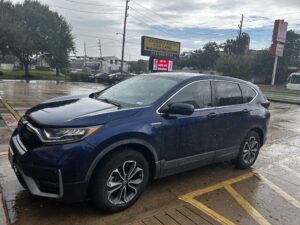
Recently, a customer brought their Toyota 4Runner into Chimney Rock Car Care after noticing a strong burning smell during their drive around Houston. After pulling over, they checked the brake rotor temperature with an infrared temp gun and found one rotor reading over 550 degrees Fahrenheit.
That temperature was significantly hotter than normal and immediately pointed toward a brake issue.
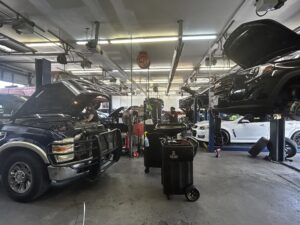
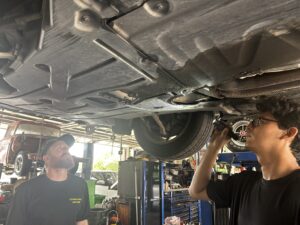
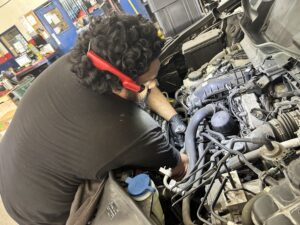
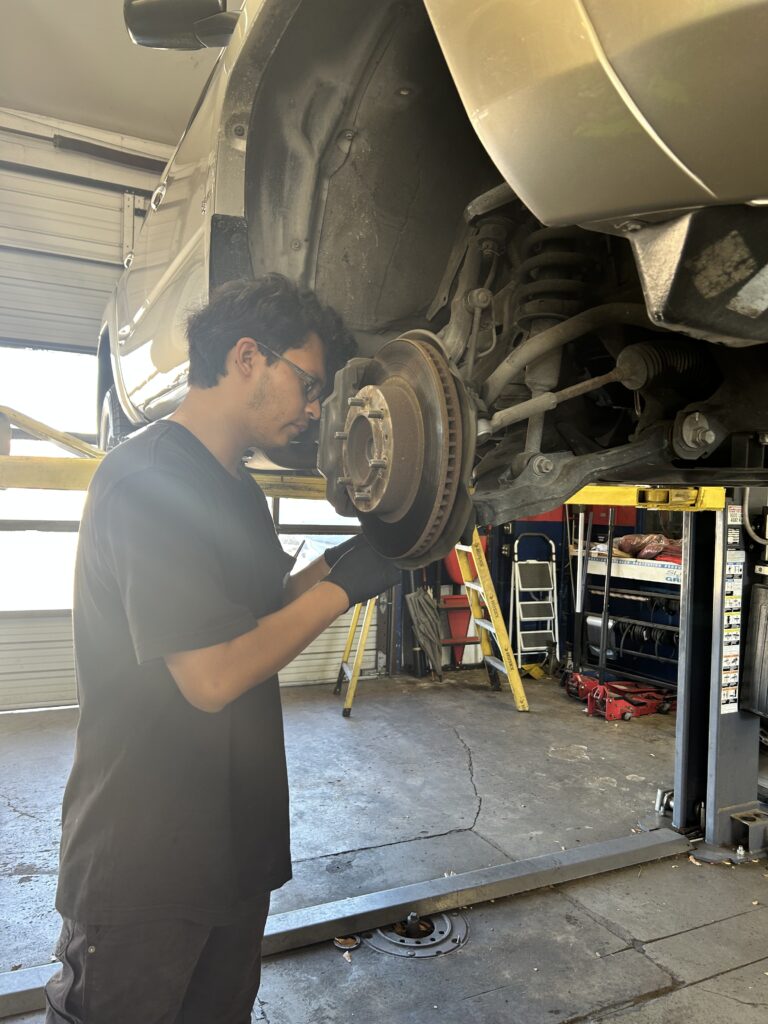
After performing a complete inspection, we found the front brake caliper had seized, causing the brake pad to stay applied against the rotor while driving.
What Does a Seized Brake Caliper Mean?
Your brake caliper is responsible for applying pressure to the brake pads when you press the brake pedal. Inside the caliper is a piston that moves outward using brake fluid pressure.
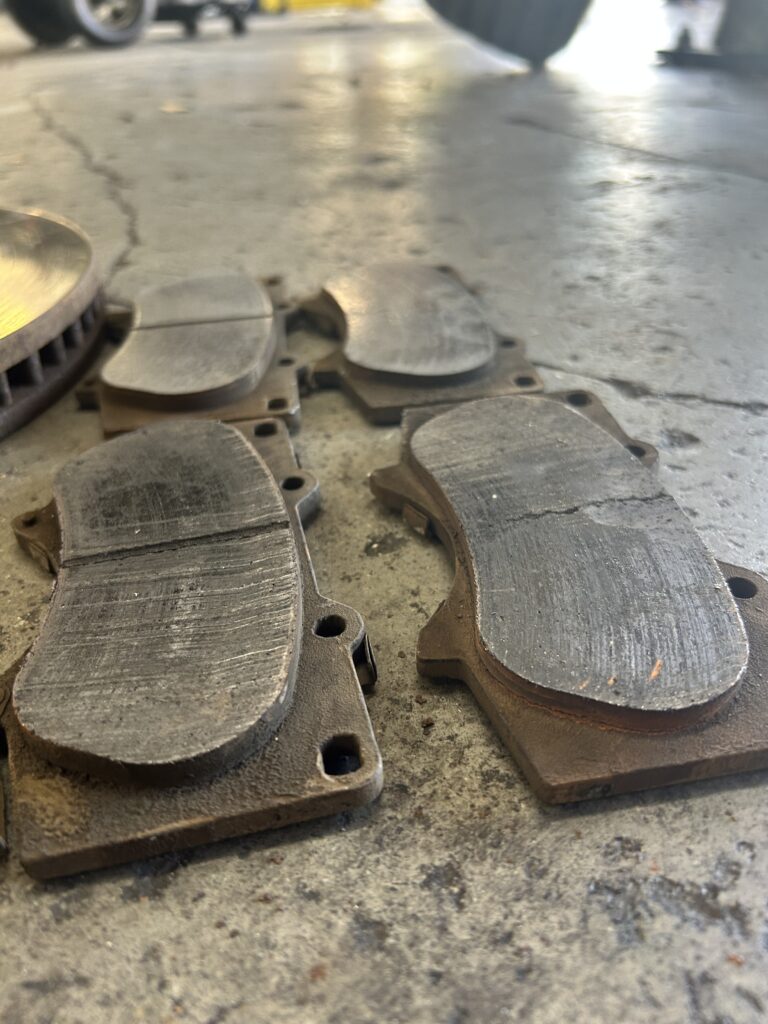
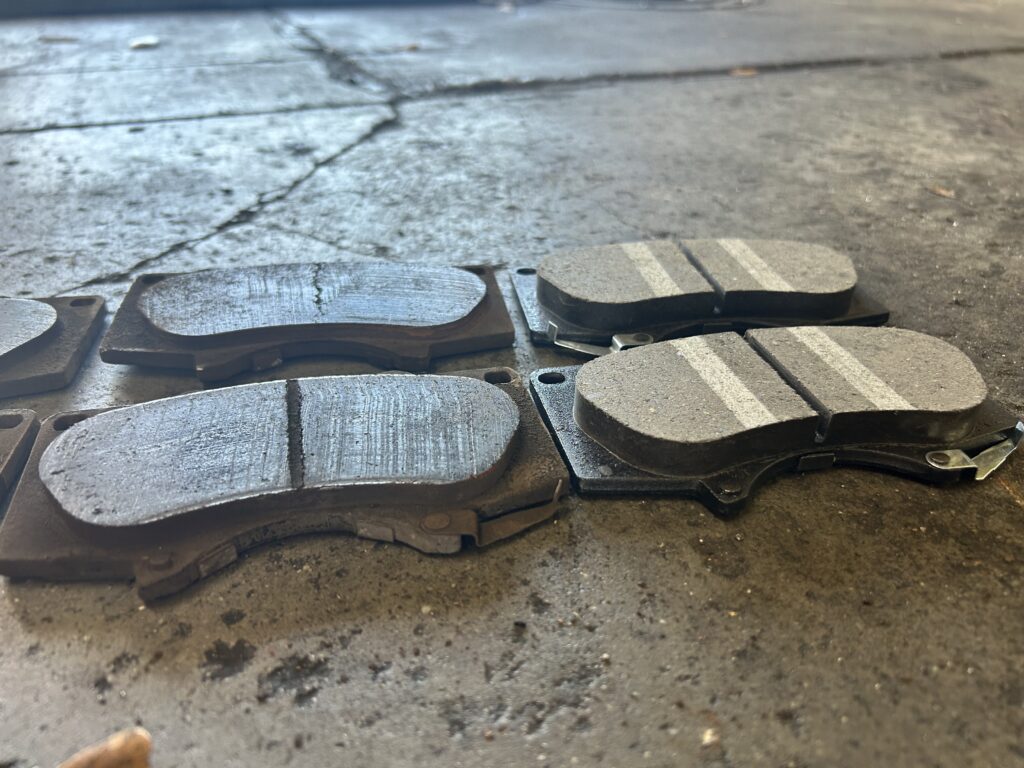
Over time, heat, moisture, corrosion, or worn components can cause the caliper piston or slide pins to stick. When this happens, the brake pad may remain pressed against the rotor even after you release the brake pedal.
This creates excessive heat and friction while driving.
Common Signs of a Seized Brake Caliper
A sticking or seized brake caliper can cause several noticeable symptoms, including:
- Burning smell after driving
- One wheel hotter than the others
- Vehicle pulling to one side
- Reduced fuel economy
- Steering wheel vibration
- Premature brake pad wear
- Smoke coming from the wheel area
- Vehicle feeling sluggish while driving
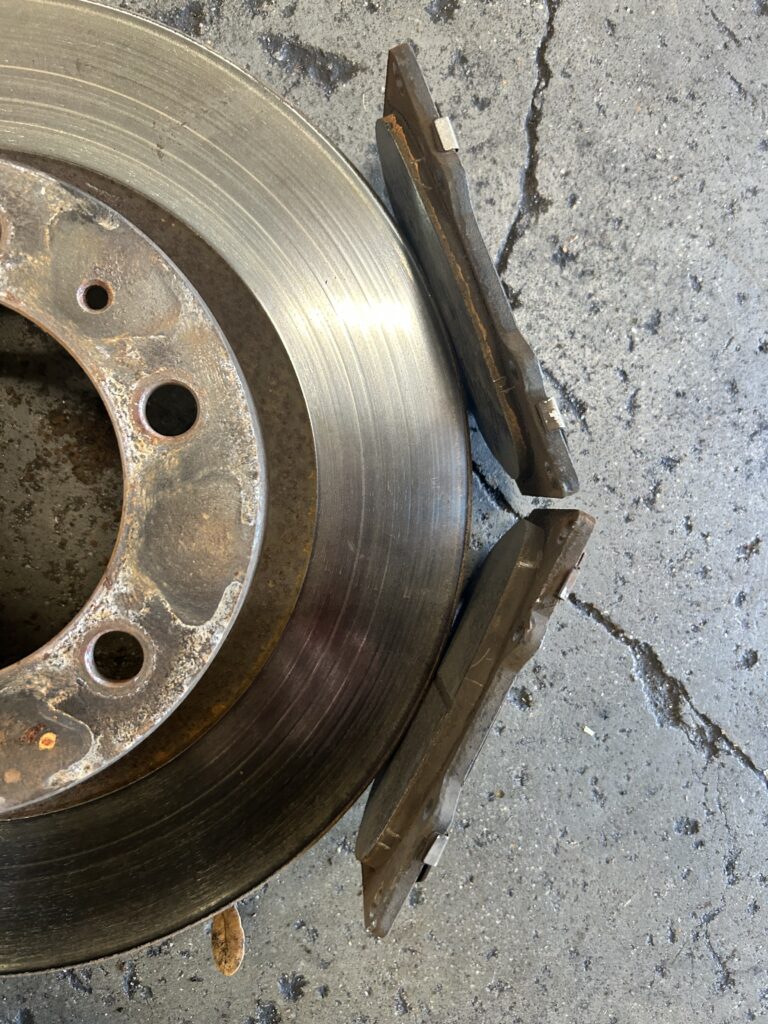
In severe cases, the rotor can become discolored from excessive heat or even warp from overheating.
How We Confirmed the Brake Caliper Failure
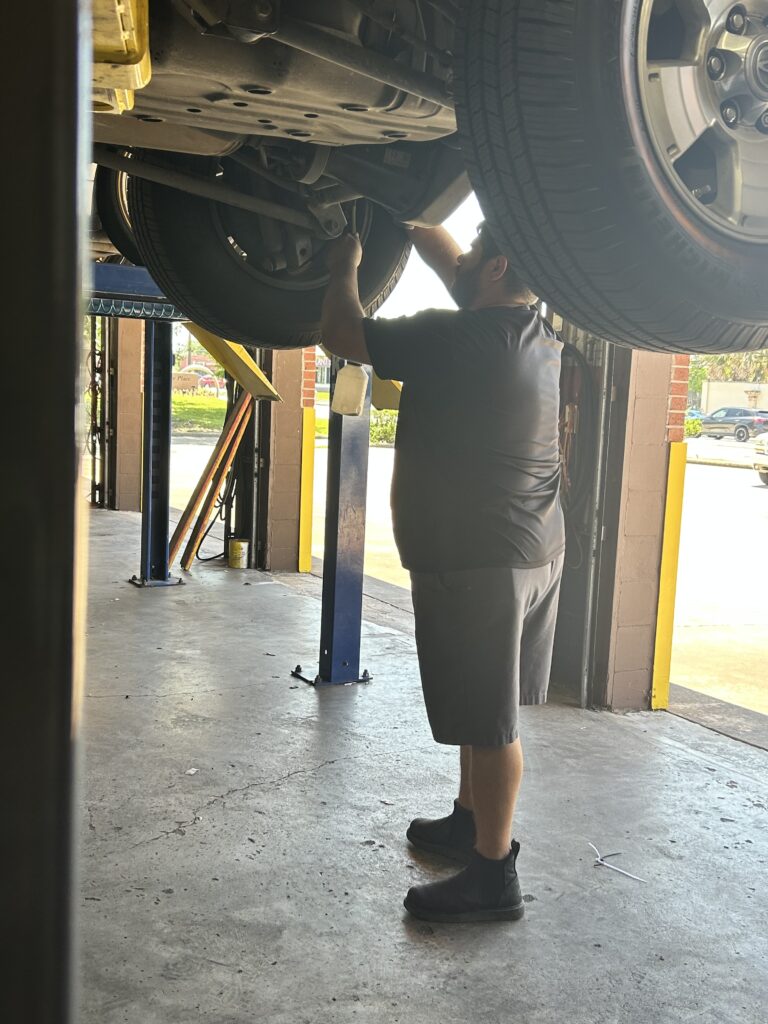
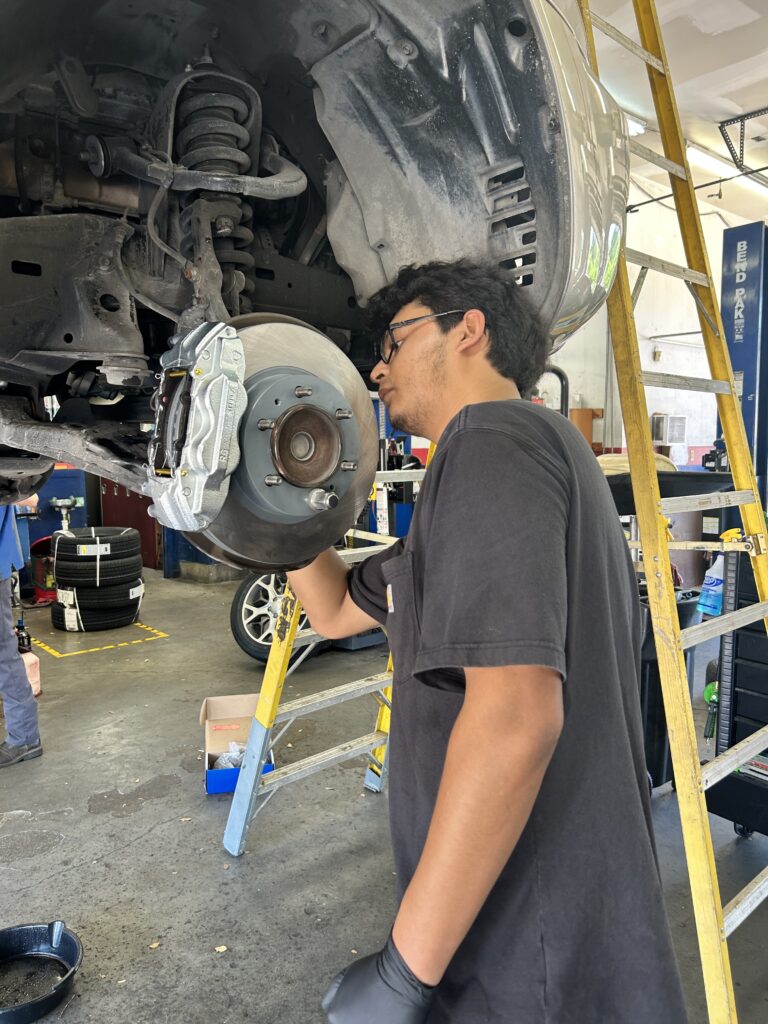
After identifying the excessive brake temperature, our technicians removed the calipers and verified the failure by attempting to retract the caliper pistons.
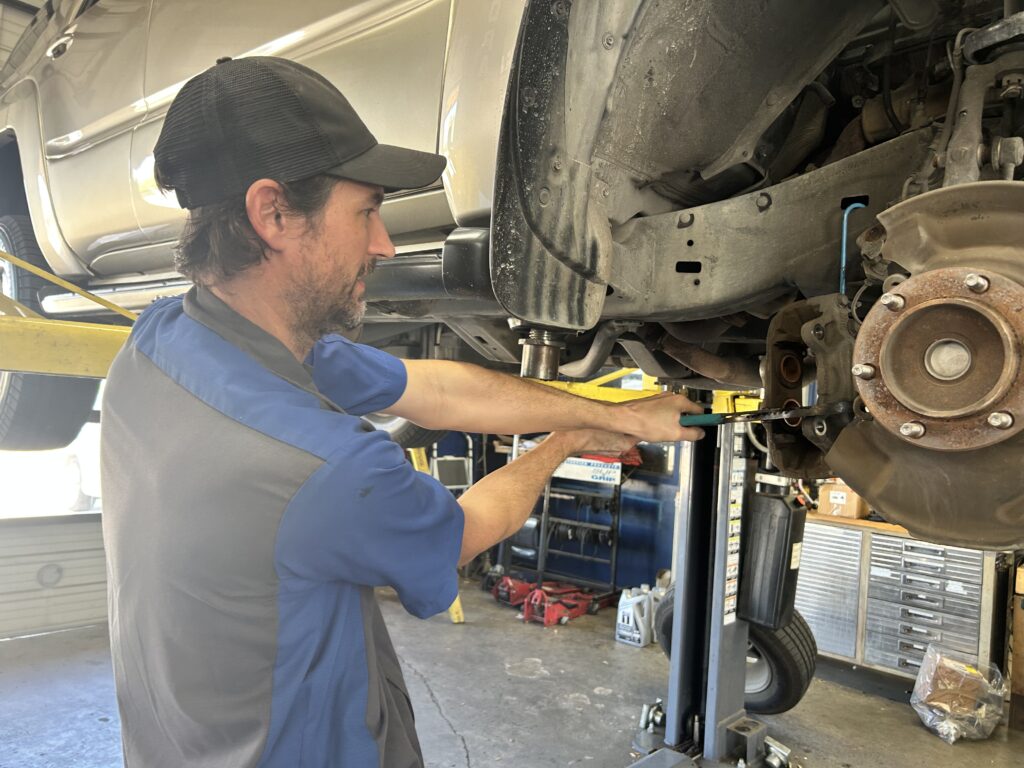
On the left front caliper — the side with the 550-degree rotor temperature — none of the four pistons would retract properly, confirming the caliper had seized internally.
While inspecting the opposite side, we also found the right front caliper beginning to fail. Two pistons retracted normally, while the lower two pistons were sticking and would not fully retract.
This explained why the left side was overheating severely while the right side was also beginning to show signs of uneven brake operation.
Because both calipers showed internal piston failure, replacing only one side would likely have led to additional brake problems later. In situations like this, replacing brake calipers in pairs helps restore balanced braking performance and helps prevent uneven brake wear or pulling concerns.
How Hot Should Brake Rotors Normally Get?
Brake rotor temperatures vary depending on driving conditions, traffic, and braking habits. During normal driving, brake rotor temperatures may range between 150 and 300 degrees Fahrenheit.
Heavy stop-and-go traffic can temporarily raise temperatures even higher.
However, when one wheel is significantly hotter than the others — especially temperatures reaching 500+ degrees — it usually indicates a brake component is sticking or failing.
In this 4Runner’s case, the 550-degree rotor temperature helped quickly identify the problem.
What Causes Brake Calipers to Seize?
Several conditions can cause a brake caliper to stick or seize over time:
- Corrosion inside the caliper pistons
- Rusted or dry caliper slide pins
- Torn rubber boots allowing moisture intrusion
- Old contaminated brake fluid
- Excessive heat buildup
- Vehicles sitting unused for extended periods
Houston’s heat, humidity, flooding, and stop-and-go traffic can accelerate brake wear and corrosion, especially on vehicles that are overdue for brake fluid service.
Why You Shouldn’t Ignore a Sticking Brake Caliper
Driving with a seized caliper can quickly damage other brake components.
A sticking caliper can overheat and damage:
- Brake pads
- Brake rotors
- Wheel bearings
- Brake hoses
- ABS components
- Tires
In extreme situations, overheating brakes can create a serious safety concern.
If you notice a burning smell, smoke from a wheel, or your vehicle pulling while braking, it’s important to have the vehicle inspected as soon as possible.
Can You Prevent Brake Caliper Failure?
While some brake caliper failures happen simply due to age and wear, regular brake inspections and brake fluid maintenance can help reduce the chances of premature failure.
A few ways to help prevent sticking or seized brake calipers include:
- Having your brakes inspected regularly
- Replacing worn brake pads before excessive heat develops
- Performing recommended brake fluid services
- Addressing pulling, burning smells, or brake vibration early
- Avoiding long periods of vehicle storage without driving
Brake fluid absorbs moisture over time, which can contribute to internal corrosion inside brake components. Houston’s humidity and flooding conditions can also accelerate corrosion and brake wear.
Catching brake issues early can often help prevent additional damage to rotors, pads, wheel bearings, and other brake components.
Brake Repair and Brake Inspections in Houston
At Chimney Rock Car Care, we perform complete brake inspections using Digital Vehicle Inspections with photos and videos so you can clearly see the condition of your vehicle.
Whether your Toyota 4Runner or other vehicle needs brake pads, rotors, calipers, brake fluid service, or additional diagnostics, our ASE-certified technicians can help you identify the issue before it leads to more expensive damage.
If you’re experiencing brake smells, vibrations, pulling, or overheating brakes in Houston, River Oaks, Memorial, Meyerland, Bellaire, West University, Spring Branch, Katy, or the Galleria area, give our team a call to schedule an inspection today.
For additional brake safety information, visit AAA Brake Warning Signs.